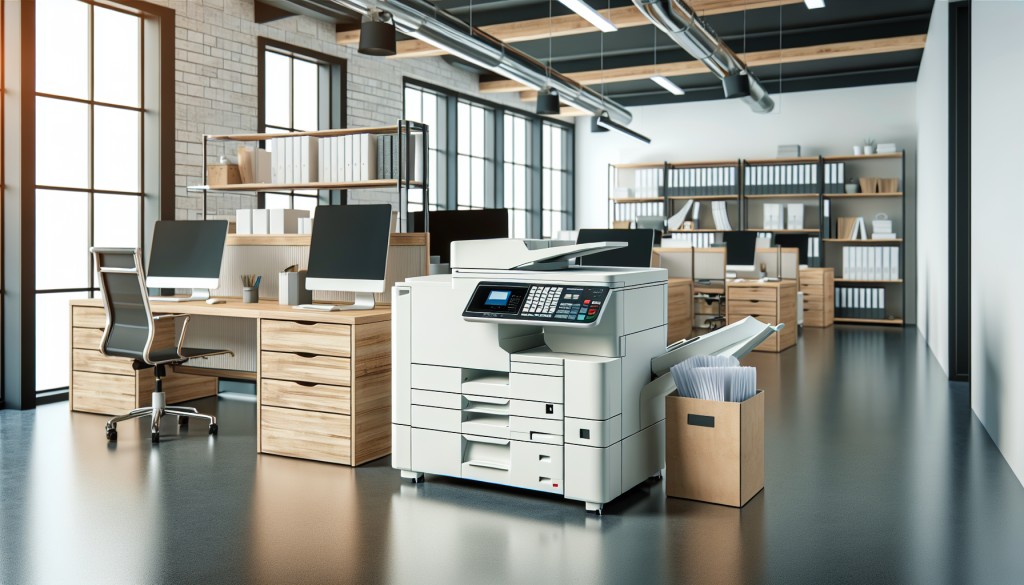
When it comes to running a business, efficiency is everything. Whether you're setting up a temporary office, hosting an event, or managing a satellite location, having access to reliable office equipment like copiers and multi-function printers is essential.

However, navigating copier rental agreements can sometimes be tricky, especially if you're not familiar with the potential pitfalls. A poorly structured rental agreement can lead to unexpected costs, frustration, and disruptions to your operations.
To help your business make informed decisions, we've outlined some of the most common mistakes to avoid when renting copiers or multi-function printers. With a little preparation and attention to detail, you can secure a rental agreement that works for your business needs without unnecessary headaches.
One of the most common mistakes businesses make in copier rental agreements is failing to carefully review the terms and conditions. While the agreement may seem straightforward at first glance, important details can often be buried in the fine print.
For example, some agreements may include automatic renewal clauses, meaning your rental term could be extended without your explicit approval. Others might impose hefty penalties for early termination or restrict the locations where the equipment can be used.
How to Avoid It:
Take your time to read the contract thoroughly and ask questions about anything unclear. Specifically, look for details about:
If possible, have a legal or procurement professional review the agreement to ensure there are no hidden surprises.
Another common misstep is underestimating the volume or functionality requirements for your copier or multi-function printer. Businesses often rent equipment based on immediate needs without considering how usage might scale during the rental period. For instance, a copier with low print volume may seem cost-effective initially, but if your team ends up exceeding the limits, you could face costly overage fees.
Additionally, some businesses fail to account for the various functions they'll need, such as scanning, faxing, or cloud integration, and end up with a machine that doesn't meet their operational demands.
How to Avoid It:
Before signing a rental agreement, evaluate your usage needs carefully. Ask yourself the following questions:
Communicate these requirements clearly to the rental provider and choose a machine that aligns with your needs.
One of the key advantages of renting a copier or multi-function printer is that maintenance and repairs are typically included.
However, businesses sometimes fail to clarify exactly what level of support is provided, leading to unexpected downtime or out-of-pocket expenses when issues arise.
Some rental agreements may only cover routine maintenance, leaving you responsible for costs related to repairs or part replacements. Others might offer support but with delayed response times, which can disrupt your operations.
How to Avoid It:
Ask your rental provider to outline their maintenance and support policies in detail. Key questions to ask include:
Make sure these terms are clearly documented in the agreement so there's no confusion later.
The end of your rental period might seem far off, but failing to plan for it can create challenges down the line. Some businesses are caught off guard by unexpected fees for returning the equipment, or they may forget to notify the provider of their intent to terminate the rental, triggering automatic renewals.
Additionally, there may be logistical challenges with returning the copier, such as shipping costs or coordinating pickup schedules.
How to Avoid It:
Before signing the agreement, clarify the end-of-term procedures with your rental provider. Find out:
By addressing these details upfront, you can avoid unnecessary stress and ensure a smooth transition when the rental period concludes.
Renting a copier or multi-function printer can be a practical and efficient solution for businesses with temporary or specialized needs. However, understanding and avoiding common pitfalls in rental agreements is essential to ensure you get the best value and minimize disruptions. By taking the time to read the fine print, accurately assess your needs, clarify maintenance terms, and plan for end-of-term logistics, you can enter into a rental agreement with confidence.
Ready to explore copier and multi-function printer rental options for your business? Visit Visit JR Copier to learn more about our reliable and flexible rental solutions. Let us help you find the perfect equipment to meet your needs!
Common pitfalls to avoid in copier rental agreements